Professional Animal Removal Services That Can Trust
Professional animal control offerings give homeowners a solid way to manage wildlife issues. These solutions apply specialized knowledge and kind techniques to resolve infestations effectively. A thorough review identifies weak points in residences, ensuring that not only are current problems solved, but potential risks are cut down as well. Understanding the methodology and its benefits is essential for homeowners facing these difficulties. What factors should be considered when selecting a reputable company?
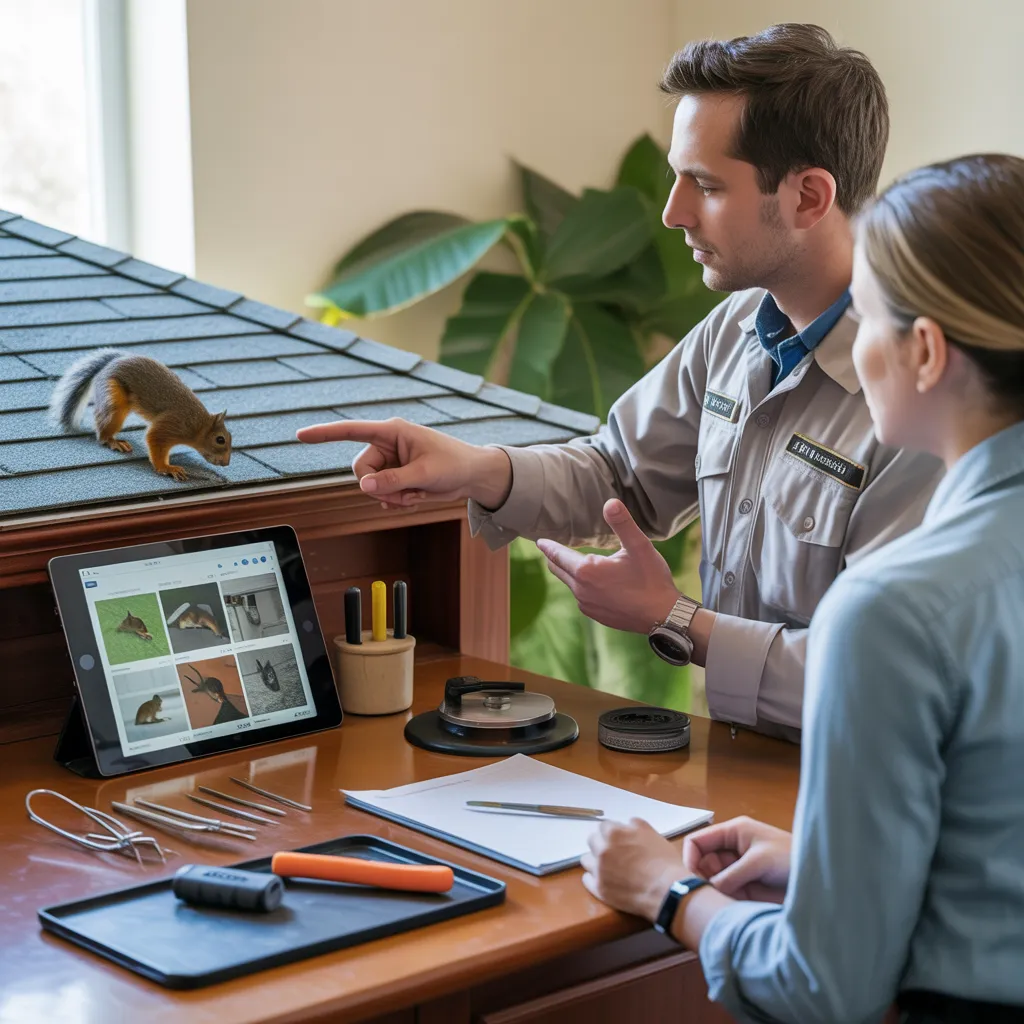
Why Professional Animal Removal Is Important
While many homeowners may try to handle animal infestations on their own, the significance of expert wildlife elimination cannot be overstated. Professionals have expert expertise and tools that ensure the safe and humane removal of unwanted animals. Attempting do-it-yourself approaches can lead to further complications, such as injury to both the homeowner and the animal, as well as potential legal repercussions.
Furthermore, experts can detect entry points and fundamental problems, averting future infestations. They also understand area-specific animal legislation, maintaining compliance during the elimination procedure. Effective animal elimination not only shields the house but also safeguards the health of its inhabitants by reducing the risk of disease transmission. By trusting experts, property dwellers can dedicate themselves to their everyday activities, aware that the problem is being addressed productively and responsibly. In this fashion, skilled animal removal acts as an crucial expenditure in upholding a protected and healthy living environment.
Symptoms That You Need Animal Removal Services
Spotting the indicators that suggest a requirement for animal removal services is essential for maintaining a secure home setting. Homeowners should stay alert for unexpected noises in attics or walls, which may denote the occurrence of pests. Additionally, unforeseen damage to property, such as gnawed wires or chewed furniture, can be a clear indication of an animal infestation.
Spotting droppings or tracks near the property is another sign that professional intervention might be necessary. Unpleasant odors, typically stemming from animal waste or dead animals, can further signal a serious matter. Moreover, appearances of wildlife in or around the property, especially during the daylight hours, may show that animals are encroaching on living spaces. Prompt attention to these signs can prevent more significant problems and guarantee the safety and comfort of the property. Calling in professionals at the first signal of trouble can reduce risks and restore peace of mind.
How to Choose the Right Animal Removal Company
What steps should homeowners take to ensure they choose the right animal removal company? First, they should research local options and review online reviews. Positive testimonials can demonstrate a company's trustworthiness and effectiveness. Additionally, verifying credentials is crucial; licensed and insured experts are more likely to follow industry standards and safety procedures.
Property owners should also ask regarding the methods utilized for animal removal. Moral standards are necessary, confirming that animals are cared for kindly and safely. A reputable company will furnish clear facts about their techniques and continuation services.
In addition, requesting multiple quotes can help homeowners evaluate pricing and service offerings. Clear cost structures is vital to avoid unforeseen expenses. Finally, evaluate the firm's expertise; experienced companies often possess a strong track record in handling multiple animal cases. By implementing these best practices, homeowners can securely pick a trustworthy animal control provider.
Experienced Animal Removal Explained: How It Works
Locating the right animal removal company helps homeowners understand the intricacies of professional animal removal services. Initially, trained professionals undertake a exhaustive inspection of the property to identify manifestations of animal activity and possible access locations. This examination is critical for designing an successful removal plan.
Next, humane traps or exclusion methods are used, ensuring that animals are captured without harm. Expert technicians prioritize humane and responsible approaches, reducing anxiety for the animals involved. Once removed, the technicians address the original access areas to avoid future infestations.
Also, cleaning and disinfection are critical parts of the process, as they help clear odors and potential health risks. This inclusive approach not only settles the immediate issue but also enlightens homeowners about maintaining a wildlife-free environment. Ultimately, professional animal removal incorporates expertise, ethical practices, and preventive measures, ensuring a successful resolution to wildlife challenges.
Learning About What to Anticipate Following Licensed Animal Exclusion?
Upon professional animal removal, homeowners will expect a scheduled inspection follow-up to guarantee the area stays secure. Additionally, the deployment of preventive measures will be discussed to avoid subsequent infestations. These actions are essential for maintaining a animal-free and safe environment.
Follow-Up Examination Agenda
What can one anticipate during the follow-up inspection routine after professional animal removal? Generally, this calls for a thorough evaluation of the area to make sure that no animals reside and that any entry points have been completely sealed. Specialists will examine potential nesting sites and review the effectiveness of earlier removal efforts. They may also look for signs of damage caused by the animals, such as gnaw marks or droppings.
The examiner will document observations and may recommend additional measures if required. This visit typically serves as a reassurance to homeowners, confirming that the space is animal-free and protected. Routine inspections can be vital in upholding a clean environment and identifying any emerging issues without delay.
Protective Strategies Applied
Following a fruitful animal removal, prevention strategies play a vital role in protecting the property against future infestations. Technicians typically implement a comprehensive approach, starting with a in-depth property inspection to identify potential entry points and vulnerabilities. Sealing cracks, installing screens, and reinforcing vents are common measures taken to deter animals from returning. Additionally, landscaping adjustments, such as trimming excessive vegetation and managing food sources, help minimize attractants. Regular maintenance and monitoring are recommended to guarantee the effectiveness of these strategies. Property owners may also receive guidance on best practices, such as proper waste disposal and securing pet food. By proactively tackling these factors, the risk of re-infestation is markedly reduced, assuring a safer and more secure environment.
Actions to Avoid Forthcoming Animal Issues
Preventing forthcoming wildlife problems required proactive methods and a keen eye for likely entry points. Homeowners should often inspect their properties for openings in foundations, attics, and vents, sealing any openings to deter animal intrusion. Proper maintenance of landscaping is key; dense vegetation can provide protection for pests. Additionally, securely storing food and garbage in wildlife-safe containers minimizes view now attraction to wildlife.
Installing protective barriers can also function as a deterrent, especially around crop areas or livestock areas. It is vital to keep outdoor spaces tidy by clearing debris and clutter that may accommodate animals. Educating family members about wildlife awareness and the importance of reporting sightings can promote a defensive outlook. Ultimately, consistent vigilance and maintenance of the land produce an hostile setting for wildlife, greatly reducing the likelihood of recurring invasions and providing peace of mind for homeowners.

Popular Posed Questions
Does Homeowners Insurance Cover Animal Removal Services?
Animal removal services may be covered by homeowners insurance, based on the policy specifics. Homeowners should examine their coverage details or contact their insurance provider to determine eligibility for reimbursement related to wildlife removal.
Which Types of Animals Do Professional Services Relocate?
Professional companies typically remove a range of wildlife, such as raccoons, squirrels, bats, skunks, snakes, and birds. Each species demands dedicated techniques to ensure secure and humane removal from domestic or commercial properties.
What is the Standard Timeframe of the Animal Removal Process?
Animal extraction normally requires anywhere from one to several hours, determined by the animal species in question and the level of difficulty of the scenario. Location and accessibility the area is will also affect the overall duration.
Is Wildlife Extraction Harmful to the Wildlife That Are Relocated?
Animal displacement procedures are designed to decrease injury, focusing on protected transfer rather than pain. Reliable firms advocate for humane methods, ensuring that animals are cared for properly and returned to appropriate environments whenever doable.
Should I Attempt DIY Animal Removal Before Hiring Professionals?
Attempting self-performed animal removal can prove unsafe and might cause accidental injury to both the animals and yourself. Professionals recommend thoughtfully evaluating the circumstances before electing to engage professional assistance.
Comments on “Humane Animal Removal and Wildlife Prevention Solutions”